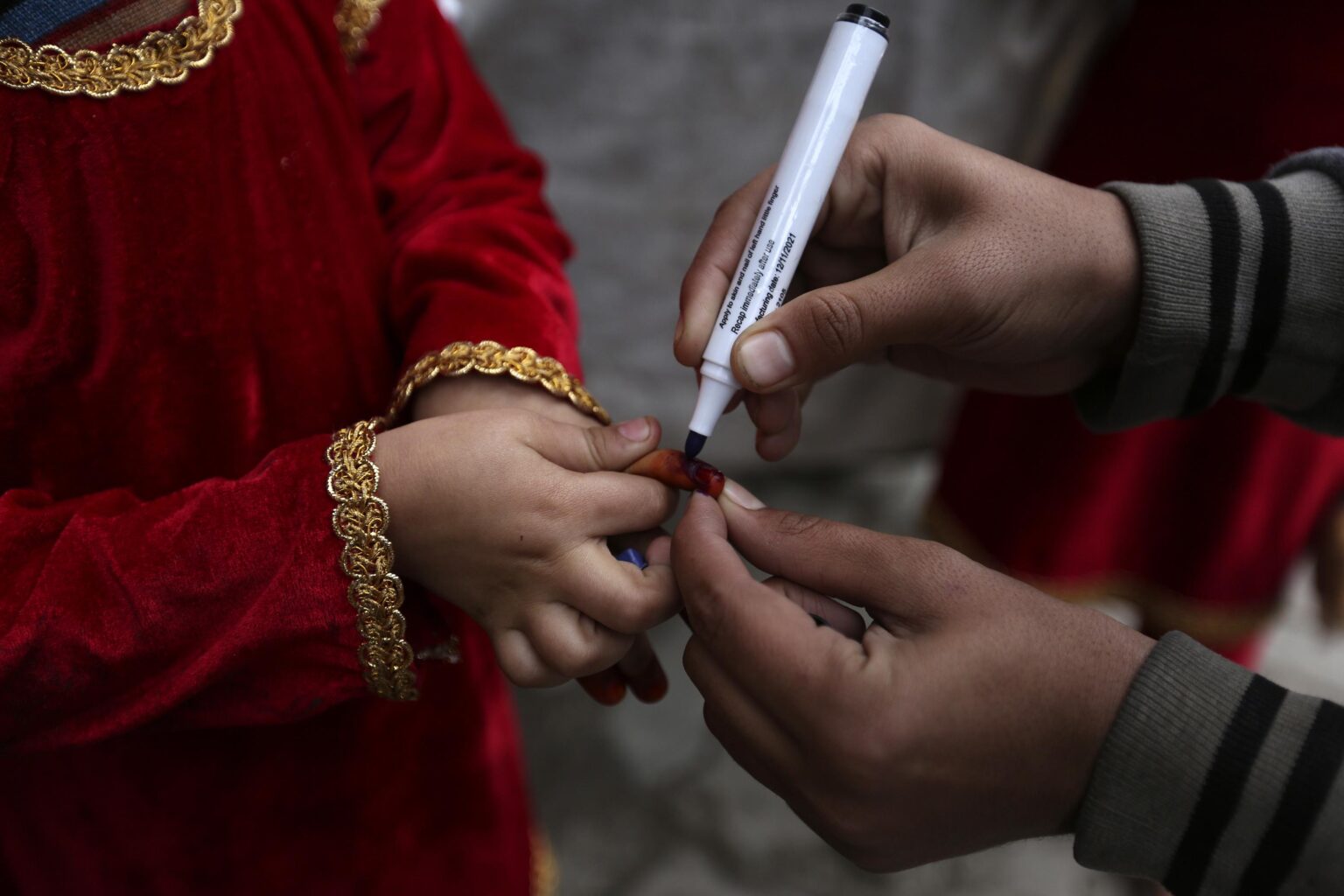
GWADAR: Gwadar authorities have stepped up preparations for Pakistan’s first nationwide polio drive of 2026, underlining the district’s importance in maintaining polio-free status.
District officials held a high-level coordination meeting Friday to finalize arrangements for the February campaign, part of the National Immunization Days (NID). The meeting was chaired by Deputy Commissioner Gwadar Naqeebullah Kakar and attended by senior officials from health, administration, law enforcement and partner organizations.
Participants reviewed operational planning, logistics, security and surveillance measures for the drive, which will be the first countrywide polio campaign of the new year. Officials said a target of 35,364 children has been set for Gwadar district.
Representatives of the World Health Organization presented a detailed review of the previous campaign, including updates on suspected cases, environmental samples and demographic trends. The deputy commissioner assessed challenges faced by frontline polio workers and directed departments to take immediate steps to address operational gaps, stressing worker motivation and close field-level monitoring. Security arrangements were also discussed in detail, with instructions to finalize and implement the security plan promptly to ensure the campaign is conducted peacefully and effectively.
The February 2026 drive follows the successful completion of Pakistan’s fifth and final nationwide polio vaccination campaign of 2025, held in late December.
During that campaign, more than 44.6 million children received polio drops across the country, with strong coverage reported in all provinces and regions. Balochistan alone vaccinated more than 2.5 million children.
According to official data available with Gwadar Pro, Pakistan reported 30 polio cases in 2025, including 19 in Khyber Pakhtunkhwa, nine in Sindh, and one each in Islamabad and Gilgit-Baltistan — a sharp decline from 74 cases in 2024.
Notably, Balochistan reported zero polio cases in 2025, after recording 27 cases in 2024. The province had reported a single case in 2021 and remained polio-free in 2022 and 2023 before last year’s spike.
Gwadar itself has not reported a single polio case since 2015, positioning it as a critical district in Pakistan’s eradication push. Officials, however, stress that continued immunization remains essential. Under enhanced nationwide surveillance, nine environmental (sewage) samples collected from nine districts between May 8 and May 23, 2025 were tested at the Regional Reference Laboratory for Polio Eradication at the National Institute of Health Islamabad.
While samples from Pishin and Lahore tested negative, the laboratory confirmed detection of wild poliovirus type 1 (WPV1) in sewage samples from Gwadar, Quetta, South Waziristan (Lower and Upper), Rawalpindi, Larkana and Mirpur Khas.
Health authorities say intensified vaccination campaigns since then aim to protect children from paralytic polio and interrupt virus transmission. With preparations now under way, Gwadar officials say they are mobilizing all available resources to keep the district polio-free as Pakistan enters 2026. –Agencies