BEIJING: Thirty-two years ago, in 1994, the first Foreign Trade Law of the People’s Republic of China came into effect. At the time, China had only established the framework of a socialist market economy, and foreign trade was largely centered on the import and export of goods. In 2004, the law was comprehensively revised following China’s accession to the World Trade Organization (WTO) in 2001, shifting its focus toward fulfilling multilateral commitments, regulating trade order, and expanding opening-up.
On March 1, the newly revised Foreign Trade Law of the People’s Republic of China formally takes effect, marking the first systematic update since 2004. Over the intervening two decades, the external environment has undergone significant changes. The structure of foreign trade, the forms of commerce, and the global rule-making landscape are all significantly different today.
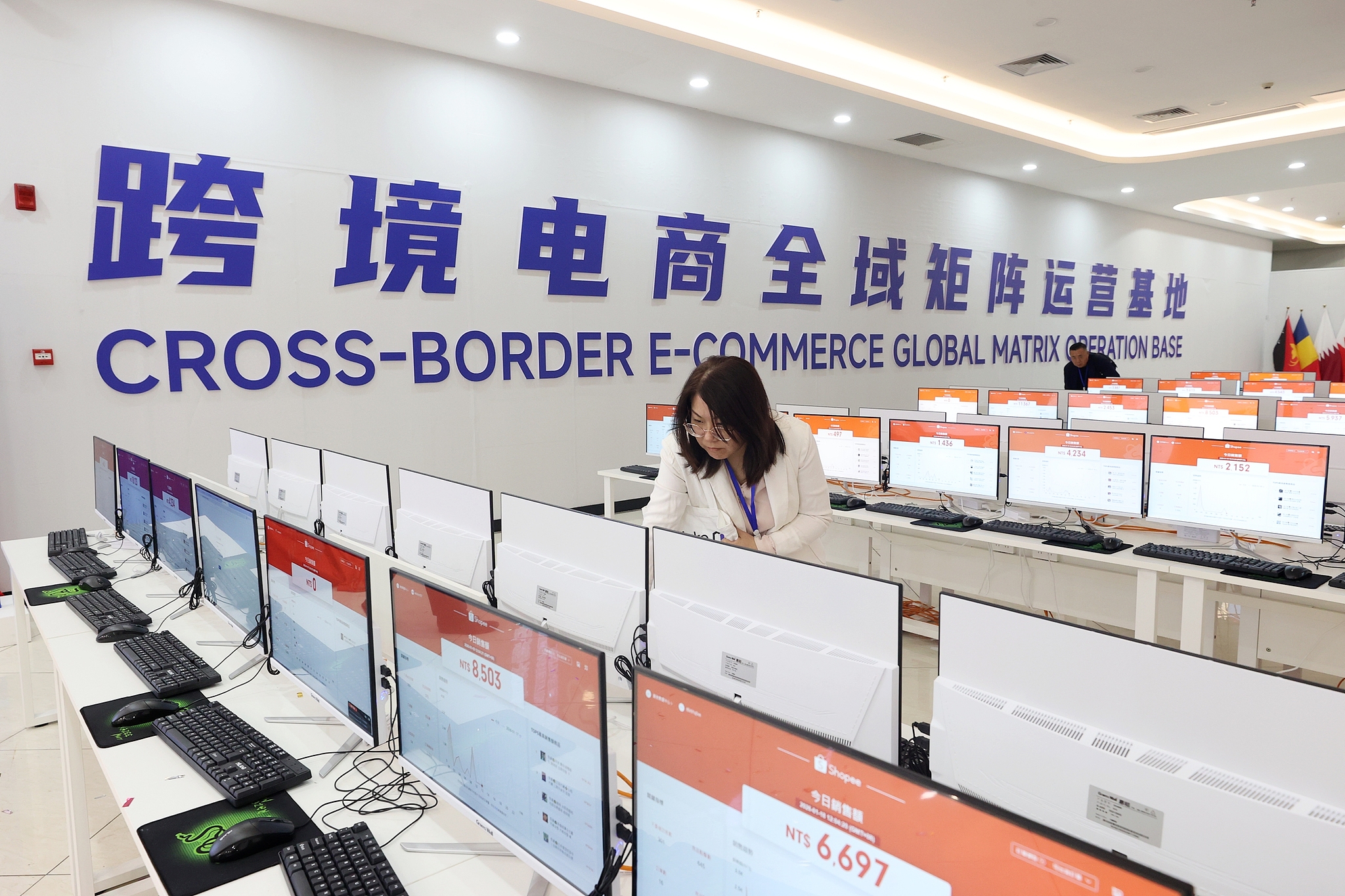
Over the past decade, China has continued to advance reforms in its foreign trade system. New business models such as cross-border e-commerce, digital platforms, and online transactions have expanded rapidly. These developments require formal legal recognition and consolidation. At the same time, uncertainty in the global economic and trade environment has increased. Unilateral measures and trade restrictions have become more frequent, and trade frictions have shown signs of persistence. Legal refinement responds both to domestic transformation and to mounting external pressures.
Intellectual property provides one example. In 2025, the Office of the United States Trade Representative released its Special 301 Report, placing several countries on its Priority Watch List and continuing to raise concerns over online piracy, counterfeit goods, and technology transfer issues, including policies related to China. Chinese authorities have highlighted on multiple occasions that such assessments don’t reflect actual progress, emphasizing important ongoing improvements in intellectual property legislation and enforcement, and calling for the strengthening of cooperation on an equal footing. The differences, however, highlight continued competition and negotiation within the global intellectual property regime.
Against this backdrop, China’s Commerce Minister Wang Wentao stated at a meeting of the Standing Committee of the National People’s Congress that corresponding countermeasures should be further refined at the legal level.
The revised law explicitly emphasizes safeguarding national security and development interests, while also underscoring alignment with high-standard international economic and trade rules and promoting rules-based opening-up. Compared with previous versions, national security provisions now have broader coverage, extending across trade investigations, trade remedies, intellectual property protection, and countermeasure mechanisms.
The trade remedy system has been further clarified. The legal basis for anti-dumping, countervailing, safeguard measures, and anti-circumvention investigations is more explicit, and mechanisms addressing circumvention have been strengthened. Under specific circumstances, the law authorizes restrictive measures against overseas individuals and entities. These provisions expand the available policy toolkit and create clearer institutional links between opening up and risk management. –The Daily Mail-CGTN news exchange item