URUMQI: A conference on the high-quality development of the camel industry opened on Tuesday in Yiwu county of Hami, Northwest China’s Xinjiang Uygur autonomous region.
Over two days, animal husbandry experts, industry representatives, and herders discussed camel industry policies, breeding technologies, milk processing, industry standardization, branding, and market expansion.
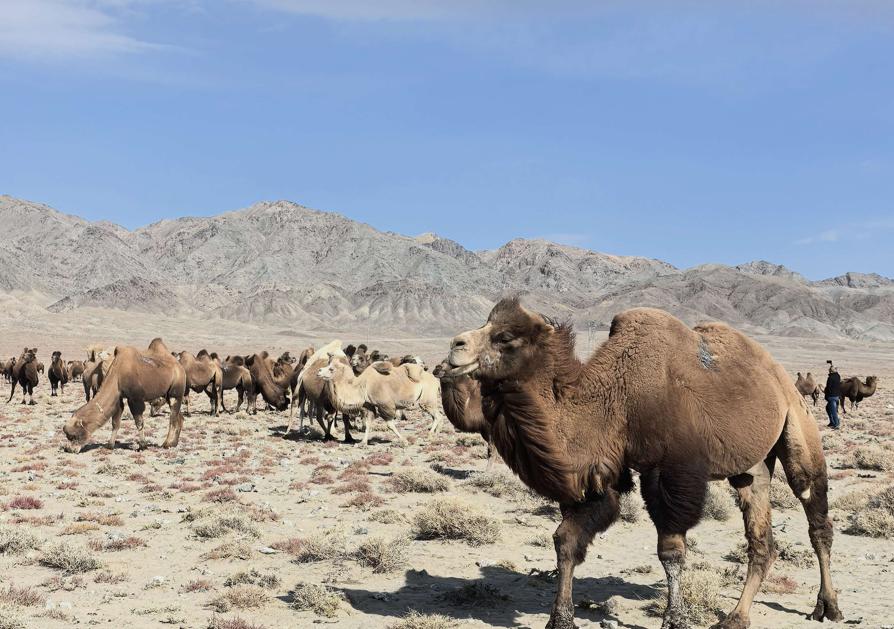
Located in the eastern Tianshan Mountains, Hami is a key breeding area for Bactrian camels in China. The area has developed the camel industry as a pillar for rural vitalization, focusing on improving breeds, optimizing the industry layout, and building industrial consortiums, while helping raise herder incomes.
Zhao Junli, president of Hami’s camel industry development association, said the industry has transformed over the past decade from traditional, scattered nomadic herding into a standardized, full-chain development model.
Hami now has more than 40,000 Bactrian camels. Its 15 farms and cooperatives, each holding more than 100 camels, form a contiguous milk source base. The city also has eight camel milk collection stations and four camel milk processing enterprises. In 2025, they produced nearly 6,000 metric tons of milk from camels and other animals.
Zhao said major enterprises have integrated some 4,000 farming and herding households into the industrial chain.
Herder Uyubek Maudabek from Aremaili village in the county’s Yanchi town shared that his family used to herd camels the traditional way and earned only 10,000 to 20,000 yuan ($1,500 to 3,000) a year from selling meat a decade ago. However, they now benefit from a price-guaranteed camel milk purchase contract signed with a major enterprise.
The company collects milk at his home, provides free storage tanks and milking equipment, and offers disease prevention guidance.
The herder said that with policy subsidies and guaranteed purchase, his family now earns 200,000 to 300,000 yuan annually from selling the milk.
Zhao added that Hami’s camel industry will further strengthen its role as a breeding and ecological milk source base, tapping the value of camel milk, meat, and wool, improving the cold chain system and advancing smart livestock farming and full-chain traceability, while expanding the domestic and Central Asian markets. –The Daily Mail-China Daily news exchange item