BEIJING: Chinese Commerce Minister Wang Wentao held a meeting with the European Commissioner for Trade and Economic Security Maros Sefcovic on Thursday in Beijing, according to a statement released by China’s Ministry of Commerce (MOFCOM).
The talk followed a meeting held between Chinese Vice Minister of Commerce and Deputy China International Trade Representative Ling Ji and Ditte Juul Jørgensen, Director-General of the European Commission’s Trade and Economic Security, on Thursday morning in preparations for the second meeting of China-EU trade and investment consultation mechanism, according to the MOFCOM. Although the MOFCOM statement did not provide more details, Sefcovic was reportedly in Beijing for the second China-EU trade and investment consultation mechanism meeting.
As the two sides engage in intensive trade talks, Chinese experts said that the latest China-EU engagement underscores the willingness and ability of the two major economies to address trade disputes through dialogue and consultation, as a trade war would serve neither side’s interests. They cautioned, however, that the EU should refrain from pursuing unilateral trade measures or threatening China while engaging in talks, as such an approach would undermine the spirit of dialogue and constructive engagement. The EU should understand that China is not the source of Europe’s economic problems, but a partner in addressing them, they noted.
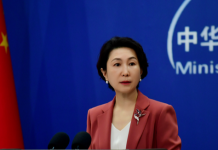
China always believes that it serves the shared interests of China and the EU to stay committed to openness and cooperation, and resolve economic and trade disputes through equal-footed dialogue and consultation, Foreign Ministry spokesperson Mao Ning said on Thursday, in response to media inquiries about China-EU trade talks in Beijing. On an inquiry over EU’s measures seeking greater protection of its interests, Mao said that “we hope that Europe will work with China in the same direction, resolve respective concerns through dialogue and consultation, and promote the sound and steady development of China-Europe economic and trade relations. We believe this serves the common interests of both sides.”
The reported second meeting follows the first, held in Brussels on June 29, which produced tangible outcomes. At that time, China and the EU identified four initial workstreams covering trade and investment balancing, export controls, intellectual property rights, and WTO reform. The two sides agreed that the mechanism’s main objective is to strengthen ministerial-level dialogue on trade and investment policies, stabilize bilateral relations, and make them more balanced, according to the MOFCOM.
“While it is natural for China and the EU, two of the world’s major economies, to encounter trade disputes, it is essential for both sides to address them through dialogue rather than unilateral trade measures,” Jian Junbo, director of the Center for China-Europe Relations at Fudan University’s Institute of International Studies, told the Global Times on Thursday.
China has consistently advocated and sought to resolve differences through negotiation, said Li Yong, a senior research fellow at the China Association of International Trade. “The two trading partners share extensive trade and economic links, and for the two to address differences under the WTO framework is of great significance in today’s volatile world.”
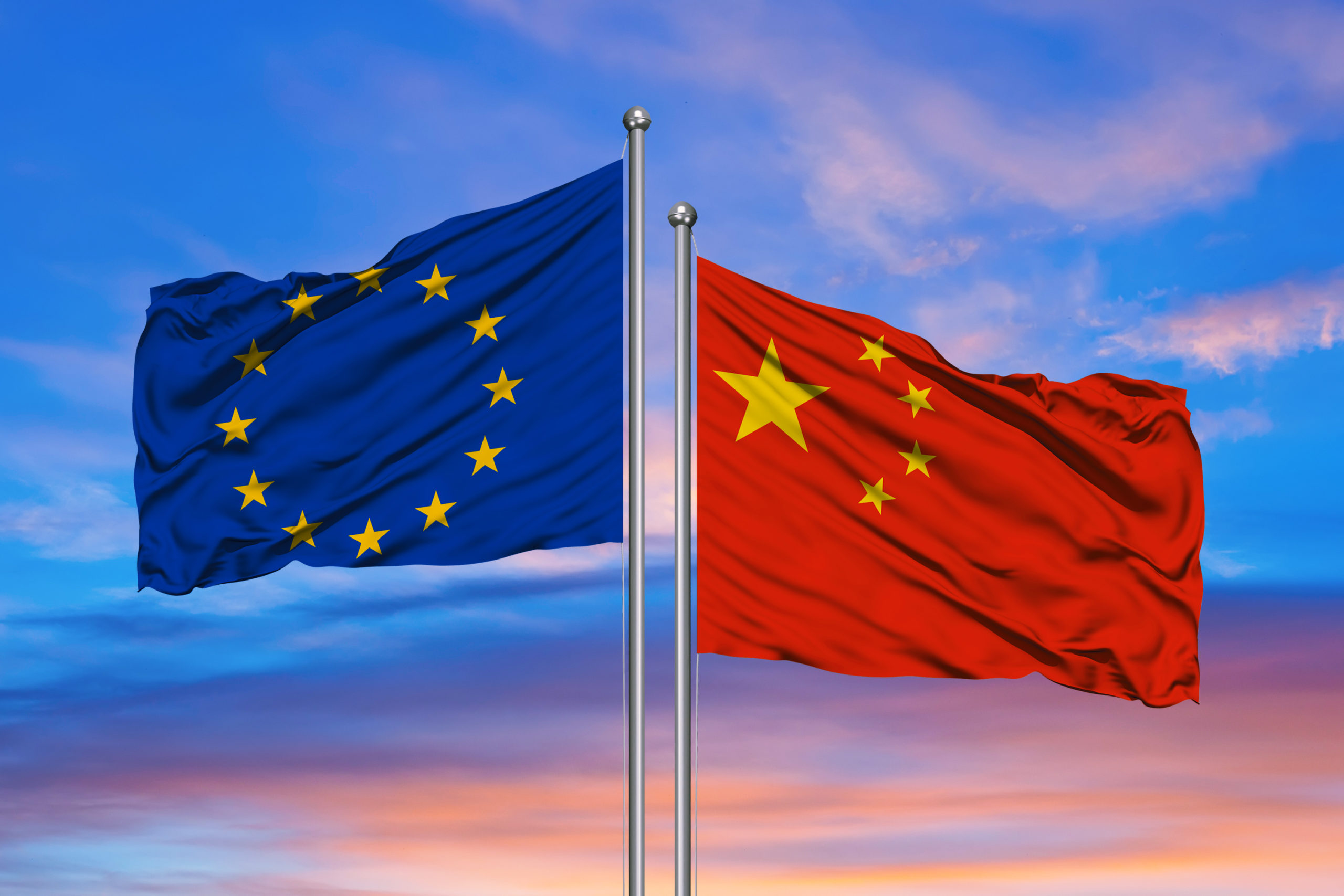
China and the EU are each other’s second-largest trading partners, with complementary strengths and deeply integrated industrial and supply chains. Together, they account for more than one-third of global GDP, while bilateral trade represents nearly one-quarter of global trade, making China-EU economic and trade ties one of the largest bilateral economic relationships in the world.
As two major trading partners that both support multilateralism, resolving economic and trade differences through equal dialogue and consultation has a significant positive impact on the global economy, Chinese analysts noted.
“The second meeting should therefore be seen not as an endpoint, but as a starting point for China and the EU to narrow differences, build consensus and strengthen cooperation,” Jian said. –The Daily Mail-Global Times news exchange item