In February, China announced that it will fully implement zero-tariff treatment for the 53 African countries it has diplomatic relations with, starting from May 1.
“This zero-tariff policy toward Africa aims to open a new chapter in the annals of China-Africa solidarity,” Chinese Foreign Minister Wang Yi said at a press conference in March.
African exporters and the business community have welcomed the elimination of customs duties and companies are already preparing to access this vast market of more than 1.4 billion consumers.
Since the announcement of the new tariff policy, reactions to it have been varied. Most business operators view it positively, whereas analysts remain cautious about its immediate effects. Some observers argue that the policy may primarily benefit China, as it aims to secure a stable supply of raw materials. However, this is a misinterpretation of China-Africa cooperation.
China is collaborating closely with African countries on the development of socio-economic infrastructure, trade and industrialization. It is also supporting Africa’s modernization through the conclusion of economic partnership agreements.
China-Africa trade is expanding. This outcome is understandable, given China’s position as the world’s manufacturing hub. “In 2024, China-Africa trade volume reached $295.6 billion, setting a new record. Concurrently, we have allocated over 17 billion yuan ($2.5 billion) to support the export of African products to China,” Du Xiaohui, Director General of the Department of African Affairs of China’s Ministry of Foreign Affairs, told media in June 2025.
It is anticipated the successful implementation of the zero-tariff policy will promote economic growth and development across the continent. Shen Shiwei, a researcher at Zhejiang Normal University, said the policy will raise the competitiveness of African products in the expansive Chinese consumer market, thereby creating substantial opportunities for African exporters.
The policy will encourage the restructuring of industrial chains and the enhancement of local production capabilities, enabling a shift from raw commodity exports to higher value-added manufacturing, Shen added. Furthermore, the policy will strengthen Africa’s resilience to global disruptions caused by protectionist policies and unilateral measures from Western countries.
The policy seeks to rebalance trade between Africa and China, addressing the substantial gap between imports and exports. However, to fully benefit, African countries will need to develop their own industries and increase the processing of their products.
Take Burundi, for example. It exports primarily raw minerals and green coffee and is one of the countries already enjoying tax relief on exports to China as part of China’s zero-tariff treatment of goods from least developed countries. In July 2025, more than 900 tons of green coffee, valued at $5 million, was exported to China. Burundian authorities continue to closely monitor mineral resource exports. Edouard Normand Bigendako, governor of Burundi’s central bank, said a set of measures, including stringent monitoring and foreign exchange management, are being implemented to revive the national economy. The country is focusing primarily on agricultural products such as fruit, tea, coffee and essential oils, as well as on beekeeping, manufacturing and fishing, to reduce its trade deficit.
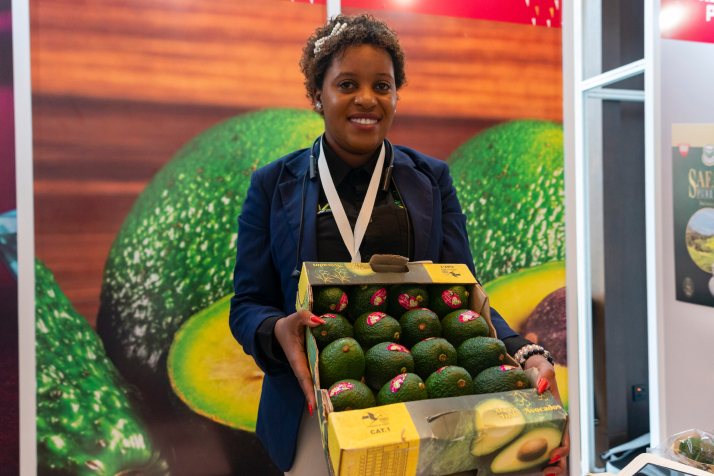
Despite the exemption from customs duties, African exporters face ongoing difficulties in establishing a presence in the competitive Chinese market. According to Shen, the absence of structured value chains, low brand recognition and limited product diversification continue to constrain market access.
To fully seize this historic opportunity, African governments and policymakers must act with resolve. Shen recommended improving production and logistics infrastructure to secure stable export volumes and quality, increasing investment in high-quality products, and ensuring that local producers are knowledgeable about Chinese requirements for sanitary and phytosanitary compliance, quality standards, certification and logistics to expedite customs clearance. –The Daily Mail-Beijing Review news exchange item