
By Ali Imran
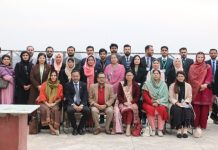
ISLAMABAD: A three-day global forum concluded in Islamabad with governments and the World Food Programme (WFP) joining hands to explore how social protection systems can better support nutrition.
Delegates from seven countries, including Pakistan, are using the platform to exchange lessons and shape practical steps to reduce malnutrition.
The event, held under the Global Task Force on Social Protection for Nutrition, brings together representatives from Bangladesh, Cambodia, Lao PDR, Nepal, Niger, Timor-Leste, and Pakistan.
The gathering aims to develop a shared understanding of how national social protection programmes can improve nutrition outcomes, especially for vulnerable families.
Pakistan and Timor-Leste are co-hosting the meeting, with WFP serving as the Secretariat responsible for coordination among governments and development partners. The discussions focus on reviewing evidence, identifying successful approaches, and setting priorities to help countries strengthen their systems.
As the host, Pakistan is highlighting its social protection framework, especially the Benazir Income Support Programme (BISP), which is widely recognised as a model for expanding support to low-income households. Pakistan is presenting its experience in linking cash transfers, health services, and nutrition interventions under one umbrella.
The event reflects a unified commitment to ending hunger and malnutrition. Organisers said the discussions align with global goals including Zero Hunger under Sustainable Development Goal 2 and universal social protection under Goal 1. They emphasised that progress will depend on collaboration across governments, regions, and partners.
At the closing session, WFP Pakistan’s Country Director expressed encouragement at the exchanges held over the three days. She said the field visits, technical briefings, and roundtable sessions allowed countries to observe how Pakistan’s social protection system links data, innovation, and coordination to improve outcomes for communities.
She noted that the insights gathered will help shape the future priorities of the Global Task Force, which aims to build knowledge, strengthen partnerships, and promote nutrition-sensitive social protection as a key part of national development. The action plan initiated at the forum, she said, will guide countries as they move from discussions to implementation.
The WFP representative thanked BISP for demonstrating Pakistan’s experience to the global community and acknowledged France and donor partners for supporting the forum. She said their contributions show a shared responsibility for addressing malnutrition everywhere.
As the meeting concluded, she urged participants to continue building on the partnerships formed in Islamabad. She said the lessons shared will help countries move toward systems that protect families, support healthier generations, and build resilience at the community level.
Delegates are departing with a renewed commitment to strengthen policies, share knowledge, and develop practical tools that help reduce malnutrition through national social protection systems.