DM Monitoring
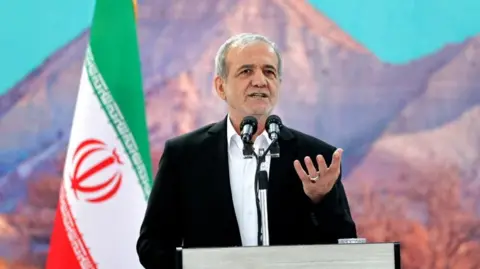
TEHRAN: Iran is ready to deepen cooperation and understanding with regional countries, including Saudi Arabia and the United Arab Emirates, President Masoud Pezeshkian said, as US sanctions and a maritime blockade put further pressure on the country’s trade.
Pezeshkian said Iran’s exports and imports had fallen by up to 35% because of the US sanctions and blockade, highlighting the economic cost of the conflict and mounting restrictions on Tehran.
Despite the pressure, Iran sold about 90 million barrels of oil during the implementation of an interim deal, Pezeshkian said, underscoring Tehran’s efforts to keep its oil trade moving despite US restrictions.
His comments come as Iran seeks to restore regional ties and ease economic pressure while the Strait of Hormuz remains at the centre of tensions with Washington. The strategic waterway between Iran and Oman carried about a fifth of global oil supplies before the war and has seen shipping severely disrupted during the conflict.
Pezeshkian’s call for cooperation with Saudi Arabia and the UAE also comes as Gulf states seek to protect trade and energy flows from the fallout of the war.
The UAE has suspended trade and financial dealings with Iran, depriving Tehran of an important commercial channel.
Earlier, Iran’s Revolutionary Guards Corps Navy said on Friday it had “full control” over the Strait of Hormuz and rejected US claims that the strategic waterway was open, saying restrictions would remain until Washington ends military actions against Iran and fulfils its commitments.
The Guards said US claims that the strait was open were an attempt to influence oil prices and conceal what they described as US failures, according to a statement carried by Iranian state media.
Iran has increasingly made the reopening of Hormuz a central issue in efforts to revive diplomacy. Tehran says the US must meet its conditions before normal shipping can resume, including an end to the war and the lifting of its blockade on Iranian ports.
The strait, which lies between Iran and Oman and carried about a fifth of global oil supplies before the war, has seen shipping severely disrupted since the conflict began.
Iran and Oman have been discussing a temporary shipping corridor through the waterway, including arrangements for safe passage and mine clearance. Qatar has also been pressing Tehran to uphold freedom of navigation as part of a renewed diplomatic push.
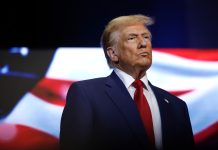
Washington, meanwhile, has said US forces have cleared mines from international shipping lanes and helped commercial vessels transit the strait, while President Donald Trump has repeatedly said the waterway is open.