By Eman Alam
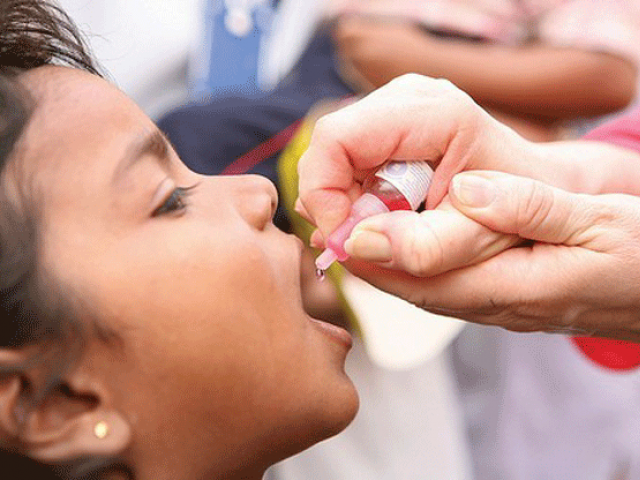
ISLAMABAD: A four-day polio vaccination campaign in the federal capital has ended after surpassing its target of 461,125 children, officials said during a review meeting chaired by the Deputy Commissioner Islamabad.
The meeting assessed field performance, discussed refusal cases, and reviewed issues faced by frontline workers as authorities reaffirmed plans to move forward with public support.
The campaign aimed to vaccinate children across all sectors of the capital through door-to-door visits and fixed points.
Participants included the Additional Deputy Commissioner East, assistant commissioners from different zones, and officials of the health department. The meeting focused on overall performance, coverage levels, and operational matters linked to the campaign.
Officials reported that polio workers reached households across the city and ensured access to children in all areas. The campaign exceeded the planned target, reflecting wide coverage during the four days.
The meeting reviewed daily progress reports, area-wise performance, and the methods used to reach children who were not available during initial visits.
A key part of the discussion centered on refusal cases. Officials examined reasons cited by families who initially declined vaccination and the steps taken to address concerns.The meeting noted that teams revisited several households to provide information and encourage participation. Health officials shared feedback collected from the field to help improve future rounds.
Challenges faced by polio workers were also discussed in detail. These included access issues in certain localities, timing constraints, and the need for coordinated support during field operations. Officials reviewed measures taken to address these problems during the campaign and identified areas where planning could be improved.
The Deputy Commissioner Islamabad acknowledged the efforts of polio workers for completing door-to-door visits and reaching children across the capital. He stated that the teams worked in all sectors and ensured that children were vaccinated during the campaign period. He also recognized the role of supervisory staff and health officials in coordinating field activities.
The Deputy Commissioner thanked residents of Islamabad for their cooperation.
He said public support played a central role in achieving the campaign target. According to him, community cooperation helped teams access homes and complete vaccination visits on schedule.
He emphasized that the success of polio campaigns depends on cooperation from citizens. Without public participation, vaccination efforts cannot achieve full coverage. He noted that families who opened their doors and supported workers contributed directly to reaching the target.
The meeting reiterated the administration’s commitment to continuing polio eradication efforts. Officials stated that future campaigns would build on lessons learned during this round, particularly in addressing refusal cases and easing operational hurdles for workers in the field.
Assistant commissioners shared area-specific updates and highlighted locations where additional follow-up may be required in future rounds. They also discussed strategies to ensure timely visits and better communication with communities.
The Deputy Commissioner stated that polio workers reached every part of the city and made efforts to cover each child during the campaign.He added that continued engagement with communities would help sustain progress in upcoming drives.
He further said that polio eradication is a shared responsibility and requires continued collaboration between authorities and citizens. By working together, the administration aims to move closer to ending polio transmission.
The meeting concluded with directions to document field experiences and refine planning for future campaigns. Officials were asked to strengthen outreach efforts and ensure that concerns raised by families are addressed through clear communication.
Authorities reaffirmed that polio vaccination campaigns will continue as part of routine public health efforts in the capital.