
By Ali Imran
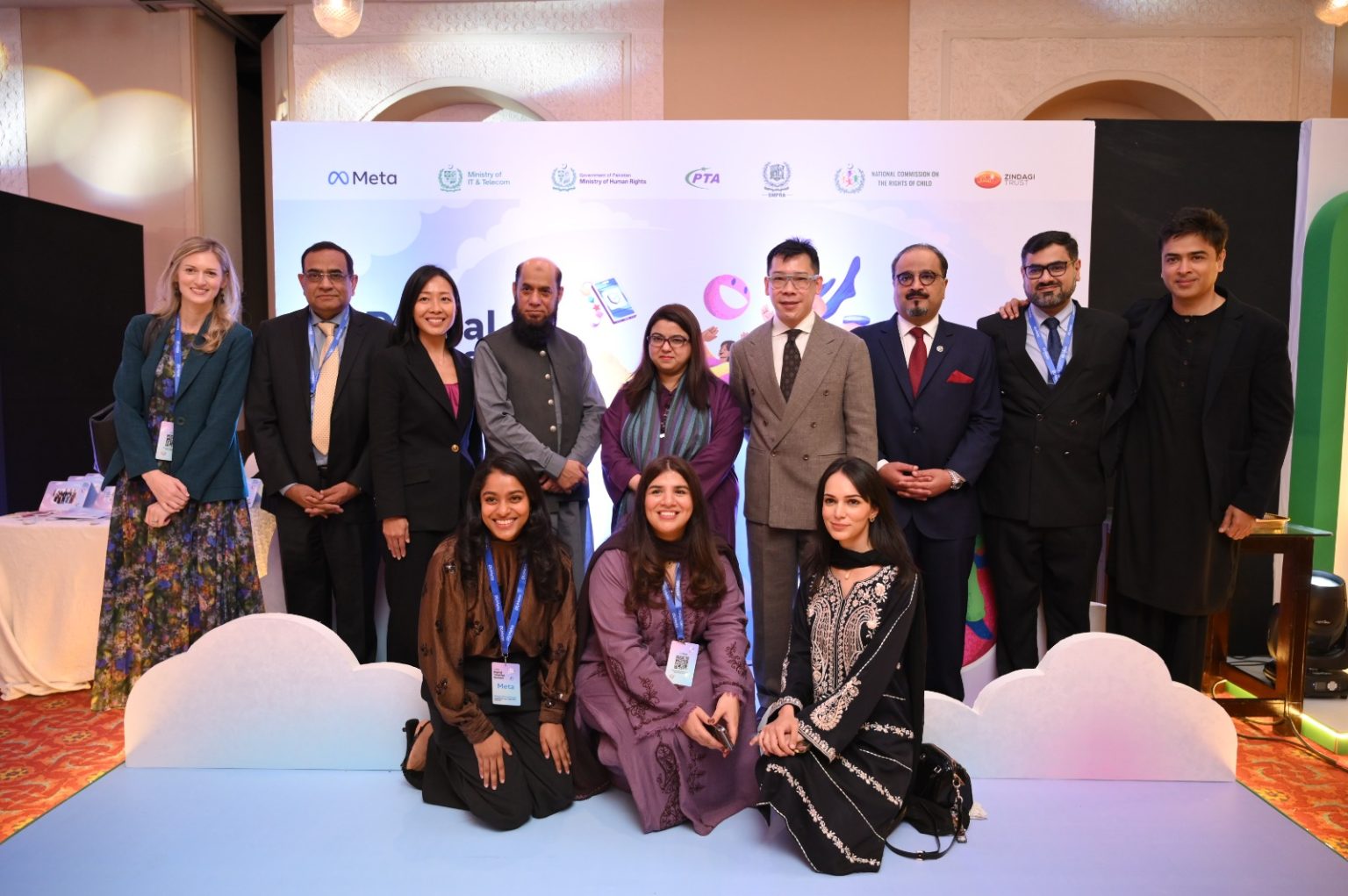
ISLAMABAD: Meta on Wednesday launched Digital Dialogues in Real Life, an interactive experience designed to help teenagers, parents, educators and community groups discuss online safety, as it hosted the Digital Tahaffuz Summit in partnership with government institutions and civil society organisations.
The summit, dedicated to youth safety and well-being online, was held in collaboration with the Ministry of Information Technology and Telecommunication, the Ministry of Human Rights, the Pakistan Telecommunication Authority (PTA), the Social Media Protection and Regulatory Authority (SMPRA), the National Commission on the Rights of the Child (NCRC) and Zindagi Trust.
Policymakers, educators, parents, civil society representatives and content creators discussed ways to ensure young people could benefit from digital platforms while remaining safe online.
A key theme was how to protect young users without restricting their access to the opportunities offered by the internet. Speakers discussed privacy, age-appropriate design, default safety measures and the development of a workable, privacy-preserving age-assurance framework for Pakistan. The discussions also highlighted the importance of ensuring that young people understand online safety measures and feel comfortable seeking guidance from trusted adults.
NCRC Chairperson Ayesha Raza said bans alone could push children towards less regulated and potentially riskier online spaces, leaving them unprepared to navigate digital platforms safely.
“Our goal must be to make the digital world safe for children,” she said, calling for a comprehensive approach involving technology platforms, the state, parents and teachers.
She stressed the need for platforms to build safety into their design through private-by-default settings, limits on addictive features and the swift removal of abusive content. She also called for child-friendly reporting mechanisms, prompt complaint resolution and greater investment in digital literacy.
SMPRA Member Salman Zafar said protecting children online should not be the responsibility of children themselves, emphasising the need for safer platforms, privacy protections, responsive reporting mechanisms and close cooperation among regulators, technology companies and parents. Zindagi Trust President Shahzad Roy said children needed the skills to navigate an increasingly digital world safely. He said Zindagi Trust’s and Durbeen’s partnership with Meta aimed to equip parents and guardians with tools to supervise their children’s social media experiences, stay informed about their online activities and take appropriate steps to protect them.
The summit also discussed the need for a national effort to promote digital safety education, with industry support, and explored how Pakistan could lead the region in developing evidence-based policies on youth safety.
Meta said Digital Dialogues in Real Life was a free, browser-based experience designed to help teenagers, parents, educators and community groups discuss everyday online situations.
The initiative was developed through research and testing with young people and educators and is intended to familiarise parents and teenagers with the safety features built into Meta’s Teen Accounts.
According to Meta, Teen Accounts come with protections enabled by default, including restrictions on who can contact teenagers, the content they can see and features intended to help manage their time on the platforms.
The company said its content settings, introduced earlier this year, were guided by 13-plus film ratings and parental feedback. Teenagers under 16 require parental permission to make those settings less restrictive.
The interactive experience features five illustrated cards — Social Spaces, Feed Control, Beyond Likes, Kindness Online and Know Your Limits — each presenting a familiar online situation, inviting users to respond and highlighting relevant safety settings and tools. Separate pathways are available for teenagers aged 13 to 17 and adults.
Yuen Ting Chay, Meta’s director of public policy for South and Central Asia, said online safety was a shared responsibility of parents, educators, governments and civil society.
“Keeping teens safe online is a responsibility we share with parents, educators, governments and civil society,” she said, adding that Teen Accounts on Facebook, Instagram and Messenger provided default protections.
She said conversations between teenagers and the adults in their lives were equally important, adding that the new initiative was designed to help parents and teenagers talk more openly about their online experiences.
Federal Minister for Human Rights Senator Azam Nazeer Tarar said the protection of human dignity and fundamental rights must extend to the digital world, particularly for women and children.
He said the government, under Prime Minister Shehbaz Sharif, remained committed to strengthening digital safety and protecting citizens from online harm.
He stressed that young people needed not only digital skills but also the awareness and confidence to make informed choices, respect others and stand against online harassment and abuse.
Meta said the summit built on its existing work with partners in Pakistan on teenage safety and that it would continue engaging with policymakers and other stakeholders to promote the adoption of similar protections across the technology industry.