
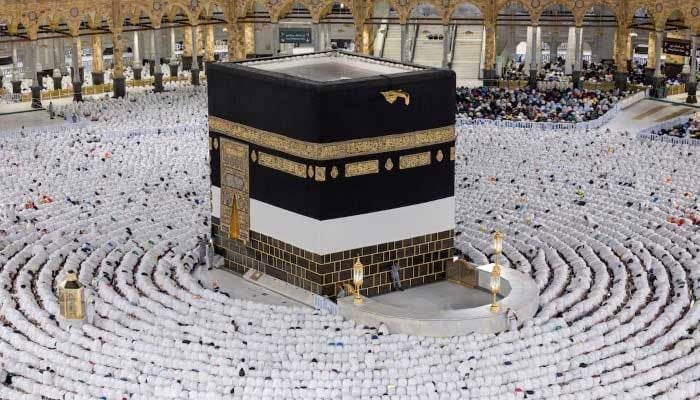
MAKKAH: Hajj is not merely an act of worship; it is the world’s largest human gathering, where the movement of millions within a strictly defined timeframe and geographical boundary presents a monumental administrative challenge.
For the 1447 AH (2026) Hajj season, Saudi Arabia’s General Transport Center (GTC) has developed an integrated, modern transportation model that stands as a masterpiece of technology and human management.
This year, approximately 1.65 million pilgrims are benefiting from this seamless system, including 179,000 Pakistani pilgrims, for whom specialized arrangements have been made to ensure a comfortable and secure journey.
The General Transport Center is leading this massive mission, unifying all transport entities under a single platform. Traffic flow across Makkah and the Holy Sites (Mina, Arafat, and Muzdalifah) is being monitored via a central control room that makes executive decisions based on real-time data.
Meeting the demands of the modern era, the “Smart Escalation” application has been deployed to manage over 40,000 bus trips. This digital intervention has successfully reduced unauthorized Hajj attempts by 95%, directly benefiting legal pilgrims from Pakistan and across the globe by significantly easing congestion.
To enhance pilgrim convenience, Makkah’s transport hubs have been modernized, with substantial capacity increases at major stations such as Shu’ab Amer, Bab Ali, and Jarwal. At these terminals, pedestrian walkways and bus lanes have been completely segregated to minimize the risk of accidents, allowing Pakistani pilgrims—who utilize these stations in large numbers—to reach the Grand Mosque (Masjid al-Haram) with ease.
Furthermore, during the Tashreeq days, five strategic points have been established between Mina and the Haram, equipped with shaded pathways and directional signage to guide pilgrims.
The various phases of the journey, including the ascent to Arafat and the return to Muzdalifah (Nafra), have been meticulously balanced between a fleet of buses and the Holy Sites (Mashair) Train. Under the supervision of the General Automobile Association, the finest vehicles from a fleet of over 15,000 buses have been dedicated to field operations, ensuring the smooth transfer of Pakistani pilgrims from their respective Makatibs and residences. Simultaneously, the “Ask Me” initiative has deployed trained personnel around the Jamarat and the Grand Mosque to provide immediate guidance to Pakistani pilgrims in case of emergencies, overcoming any potential language barriers.
The 1447 AH Transport Plan is more than just a collection of vehicles; it is a scientific system where every second is planned through data analytics.
This integrated model by the Saudi government serves as a global benchmark for mass transit management. It guarantees a smooth, safe, and tranquil journey for the 179,000 Pakistani pilgrims and all “Guests of Allah,” allowing millions of faithful to focus entirely on their spiritual rites with peace of mind. –Agencies