
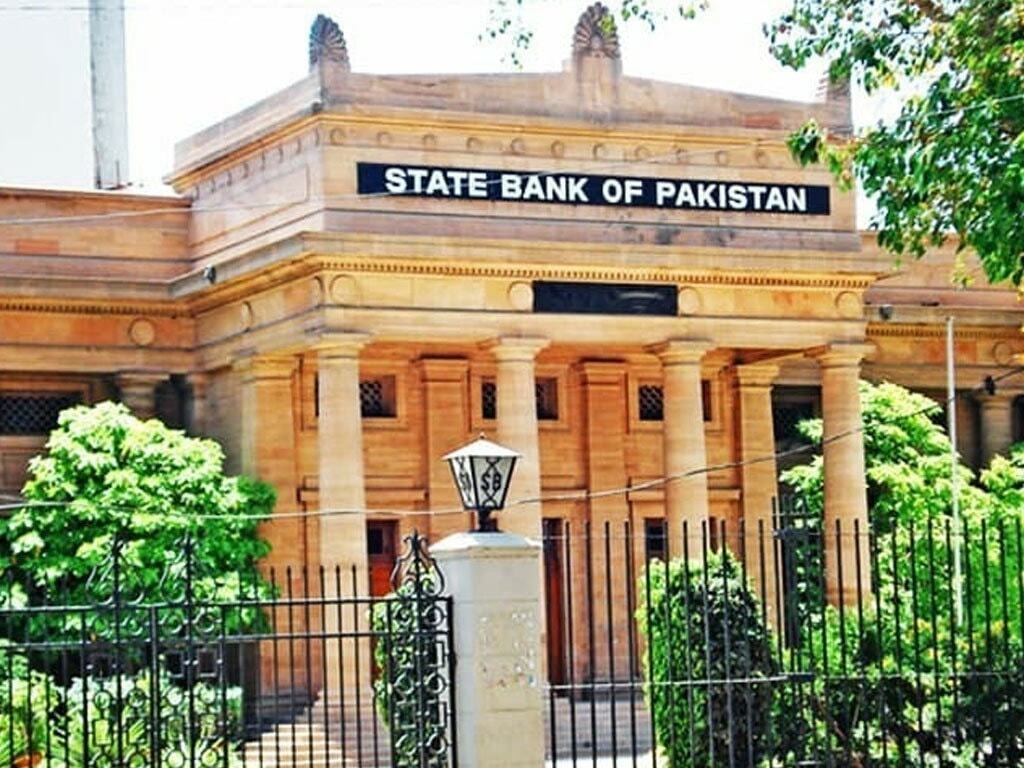
IKARACHI: The State Bank of Pakistan (SBP) on Monday raised its key policy rate by 50 basis points to 12% as higher energy prices amid geopolitical tensions increased inflation risks.
SBP Governor Jameel Ahmad announced the decision at a press conference in Karachi following a meeting of the central bank’s Monetary Policy Committee (MPC).
The increase, which takes the policy rate up from 11.5%, marks the central bank’s first rate hike since June.
“Geopolitical conditions have led to an increase in energy prices,” Ahmad said, adding that petroleum product prices had remained above $100.
He said the MPC reviewed the prevailing conditions before deciding to increase the policy rate by 50 basis points.
According to the governor, nine of the MPC’s 10 members voted in favour of raising the interest rate.
Ahmad said conditions had deteriorated compared with the committee’s September meeting, while expectations for inflation and the current account deficit had also increased somewhat.
Wheat prices had also risen, he added.
Growth projected at 3.5%-4.5%
Turning to the broader economy, the SBP governor said economic growth was expected to remain between 3.5% and 4.5% during the current fiscal year.
He said exports were not at the level required, although there had been an improvement.
The central bank expects exports to reach $32.5 billion during the fiscal year, while imports are projected at $71 billion, according to Ahmad.
Workers’ remittances, meanwhile, are expected to reach $45 billion, the governor said.
Inflation rises to 10.3% in September
According to the monetary policy statement, headline inflation rose to 10.3% year-on-year in September, exceeding the MPC’s expectations. Higher energy and wheat prices, along with related food products, contributed significantly to the increase.
Core inflation remained elevated at around 8.4%, the statement said, warning that sustained increases in food and energy prices could push inflation expectations higher and eventually feed into core inflation.
The committee cited geopolitical tensions, global commodity price volatility, possible adjustments in energy tariffs, further increases in wheat prices and adverse weather conditions as key risks to the inflation outlook.
Exports, remittances and imports
Ahmad said Pakistan’s exports were expected to reach $32.5 billion during the current fiscal year, while imports were projected at $71 billion. Workers’ remittances were expected to reach $45 billion.
He acknowledged that exports remained below the required level, although they had shown improvement.
The monetary policy statement said the current account recorded a deficit of $874 million during the first quarter of FY2026-27. Exports were recovering, led by rice, high-value-added textiles and services, while workers’ remittances remained resilient and were projected to exceed earlier expectations.
Imports were also rising sharply, driven by non-energy purchases, recovering economic activity and higher prices.
The SBP expects the current account deficit to remain within its previously projected range of 0% to 1% of GDP for FY2026-27. Higher financial inflows are expected to help increase the central bank’s foreign exchange reserves beyond their current level.
Foreign exchange reserves, fiscal position
The SBP said its foreign exchange reserves remained stable at around $21.5 billion, equivalent to approximately three months of import cover, supported by continued foreign exchange purchases.
The statement also noted that Pakistan had reached a staff-level agreement with the International Monetary Fund (IMF).
During the first quarter of FY2026-27, Federal Board of Revenue tax collection grew by 7% year-on-year, exceeding its target by Rs33 billion. The overall fiscal and primary balances were assessed to remain in surplus during the quarter.
However, the MPC warned that the intensifying Middle East conflict had made fiscal management more challenging. It stressed the need to strengthen fiscal discipline, broaden the tax base and accelerate structural reforms. –Agencies