
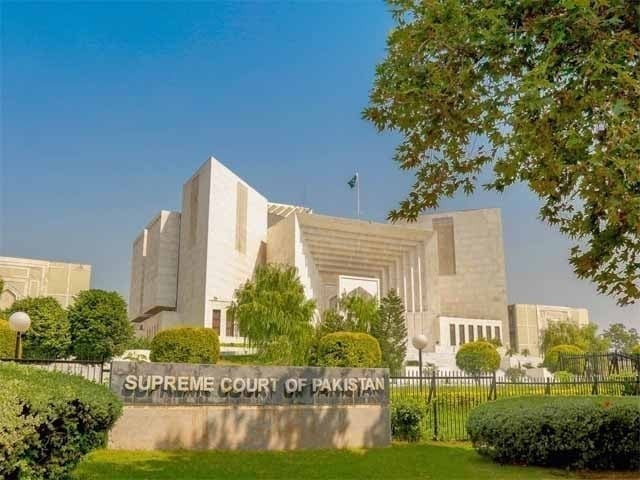
ISLAMABAD: The Supreme Judicial Council (SJC) has approved amendments to the Code of Conduct for judges, allowing judges of superior courts to attend political and diplomatic functions only with the permission of the relevant chief justice, according to an official statement issued on Saturday.
The council, in a meeting chaired by Chief Justice of Pakistan and SJC Chairman Justice Yahya Afridi on June 11, also expanded the scope of the code to include judges of the Federal Constitutional Court and revised provisions relating to judicial reporting procedures.
The council also amended Article XII of the code. Under the previous provision, judges of superior courts were required to abstain from presiding over or attending social, cultural, political and diplomatic functions.
Following the amendment, judges will now be required to abstain only from political and diplomatic functions unless they obtain prior permission from the relevant chief justice. Attendance at social and cultural functions will no longer require such approval.
The second part relates to undue influence exerted on a judge. A judge must maintain the integrity and independence of the judiciary by remaining firm and impartial in the face of any influence, whether internal or external.
A judge is expected to be fully aware of and to exercise all legal powers available to counter such influence. Where no specific legal remedy exists, he should promptly seek an appropriate institutional response while remaining within the bounds of the law.
The SJC further approved changes to paragraphs 2 and 3 of Article XV, which deal with the reporting and handling of matters by judges.
The revised provisions incorporate the Federal Constitutional Court into the reporting mechanism and outline the role of its chief justice and senior judges alongside those of the Supreme Court.
Under the amended procedure, judges must inform the relevant chief justice and designated senior judges of relevant matters through the respective registrars.
The changes also provide that, where prescribed timelines are not met in cases involving high courts, the matter will be taken up by the Federal Constitutional Court or the Supreme Court forum that was informed by the judge. –Agencies