BEIJING: Robust travel demand is giving the tourism sector a strong start in 2026, with surging New Year holiday bookings pointing to solid consumer activity at the beginning of the year.
The New Year holiday period, from Thursday to Saturday, has emerged as a barometer for consumer sentiment, following the Central Economic Work Conference in December, which prioritized expanding domestic demand in 2026.
Domestic tourism has led the rebound. Bookings at leading online travel agencies have shown strong momentum. Data from Meituan Travel shows that bookings for the holiday period surged nearly fivefold from last year.
Tongcheng Travel, another major online agency, said bookings for products such as flights and hotels began to pick up in December, with an average increase of nearly 30 percent year-on-year.
Data from the first day of the New Year holiday further underscored the strength of demand, showing domestic hotel bookings rose more than threefold year-on-year, driven by overlapping demand for holiday travel, family visits and year-end celebrations.
Travel flows during the holiday also revealed a clear “north-south exchange”. Ice-and-snow destinations in Northeast China attracted skiers and winter sports enthusiasts, while southern destinations — particularly Hainan — drew travelers seeking warmer weather and varied shopping experiences. According to Tongcheng Travel, Heilongjiang and Hainan ranked among each other’s most popular points of departure on Thursday.
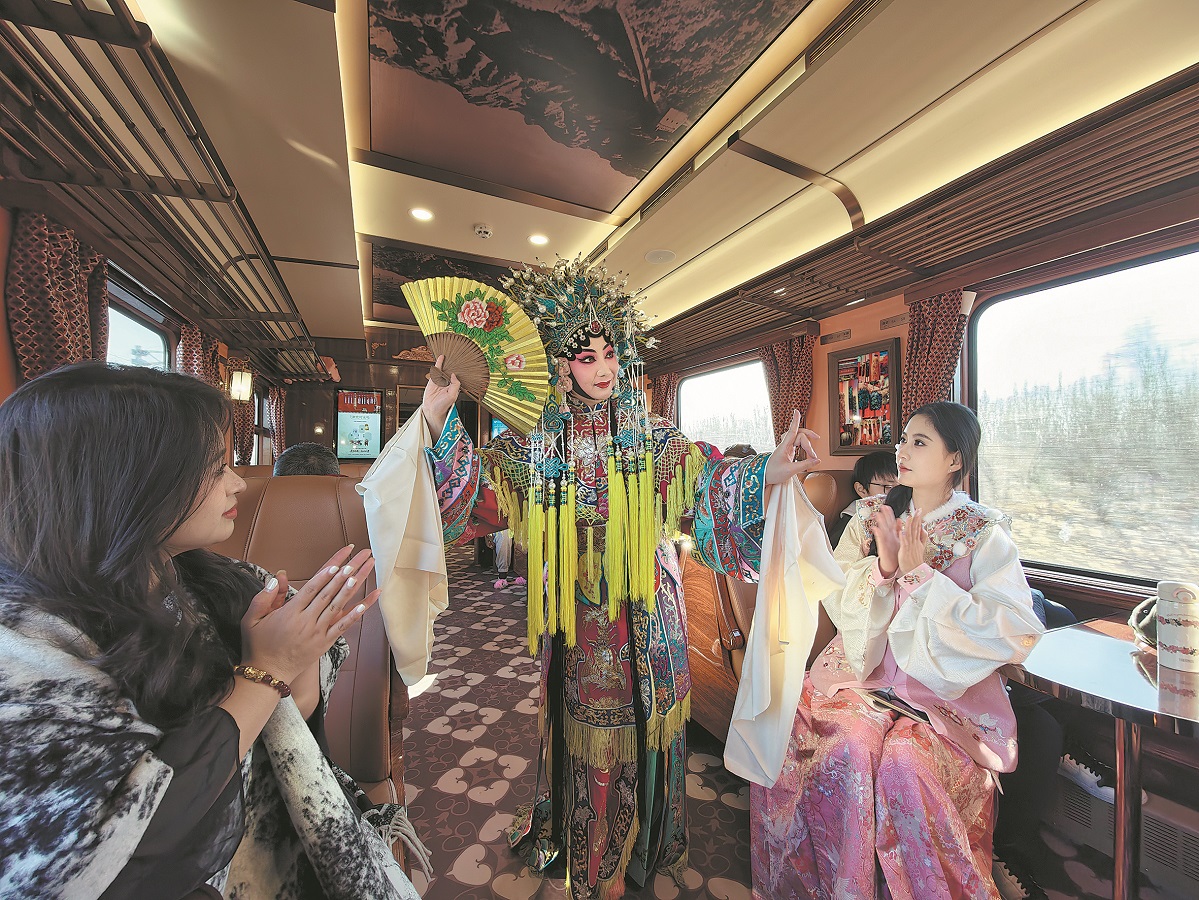
Entertainment and cultural events played an influential role in shaping travel decisions — with New Year’s Eve celebrations, fireworks displays, music festivals and New Year’s Day performances in various cities encouraging both local outings and short-distance trips. Tongcheng said ticket sales for the New Year’s Eve and New Year holiday period performances more than doubled year-on-year as of Wednesday. In Guangdong province’s Guangzhou and Shenzhen alone, more than 100 major concerts and sports events were staged, with Some popular events selling out up to 15 days in advance, further increasing hotel demand.
“Travelers are placing greater emphasis on ‘emotional tourism’, driven by the pursuit of cultural resonance and a sense of ritual,” said Wu Liyun, a professor at the China Academy of Culture and Tourism Industry at Beijing International Studies University. “Activities such as museum visits, concerts and New Year’s Eve countdown events are becoming as popular as traditional sightseeing.”
Outbound travel has also recovered at a faster pace. Utour Group, a Beijing-based tour operator, said about 90 percent of its New Year holiday products have sold out. The company said that demand for trips to Australia and New Zealand have increased 310 percent year-on-year, while travel to Europe rose by 178 percent. Demand for high-end, customized tours to the Middle East increased by 60 percent.
Signs of a tentative recovery in business confidence have also emerged from the corporate travel segment. Utour said that inquiries for corporate team-building packages rose 40 percent month-on-month, interpreted by industry insiders as a sign that companies are actively recharging and preparing for a productive year ahead.
Wu said the holiday data suggests a “strong start” for the tourism industry in 2026, but emphasized that the sector is moving from a focus on volume to quality. “Service quality and brand reputation will become decisive factors in market competition,” she said, calling for a consumer-centric evaluation system to enforce higher standards. –The Daily Mail-China Daily news exchange item