BEIJING: As China welcomes the Dragon Boat Festival, also known as the Duanwu Festival, the three-day holiday is emerging as a barometer of both cultural resonance and consumer spending, as tourism-integrated festivities fuel new growth.
The Dragon Boat Festival is a traditional Chinese holiday with a history of more than 2,000 years, traditionally commemorating the poet Qu Yuan. Its key customs include eating zongzi (glutinous rice dumplings wrapped in bamboo leaves), dragon boat racing, and wearing or displaying herbal sachets believed to ward off illness and misfortune.
Data from third-party platforms shows that the number of holiday travelers is expected to rise 4% from last year. Short trips lasting two to three days, particularly among families, are expected to dominate this year’s travel market, while more travelers are expected to choose new energy vehicles, with such trips projected to rise 32% year on year.
This year’s Dragon Boat Festival also coincides with the end of the national college entrance examination, or gaokao, and the graduation season, making graduation trips a new holiday highlight. Since June 12, the number of student travelers has increased by 19% compared with the same period last year.
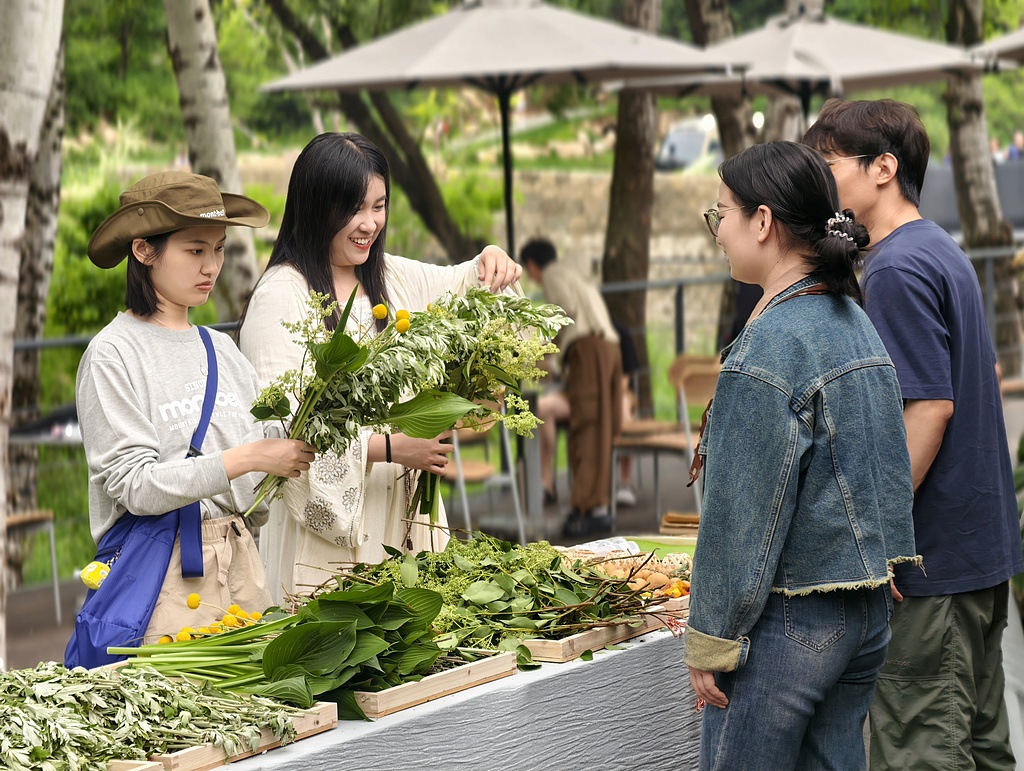
Across the country, traditional cultural motifs have been transformed into hands-on activities: wrapping zongzi, makinge herbal sachets, participating in hanfu parades, enjoying traditional music performances and trying their hand at traditional crafts. From city streets to scenic spots, the festive atmosphere is on full display, and even the little animals are joining in. Once a traditional folk sport, dragon-boat racing has evolved into a major driver of local tourism, with races growing increasingly professional, youth-oriented and international. –The Daily Mail-CGTN news exchange item