BEIJING: Chinese President Xi Jinping has called for efforts to firmly follow a path with Chinese characteristics in developing the country’s health programs, to secure decisive progress in the Healthy China Initiative over the 15th Five-Year Plan period (2026-2030).
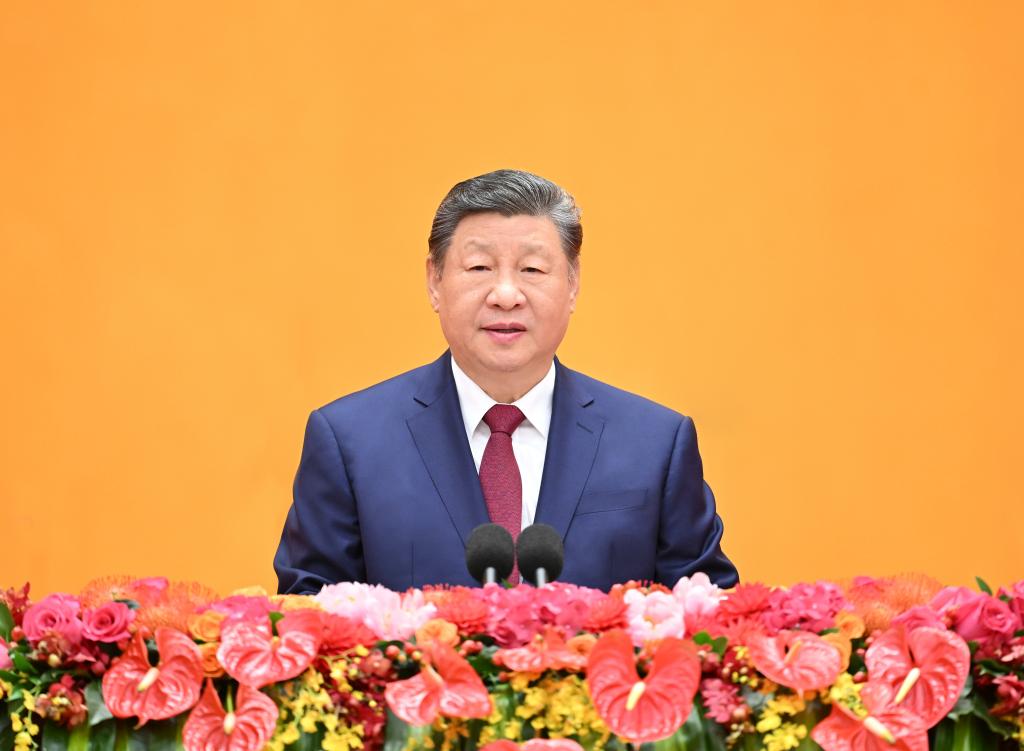
Xi, also general secretary of the Communist Party of China (CPC) Central Committee and chairman of the Central Military Commission, made the remarks at a national meeting on health held in Beijing on Monday and Tuesday, according to the Xinhua News Agency.
Xi stressed that people’s health is a key benchmark of a nation’s prosperity and strength.
The meeting comes as China begins implementing its national health plan for the 15th Five-Year Plan period, which sets out a roadmap for improving healthcare accessibility, strengthening disease prevention and accelerating medical innovation over the next five years.
Under the plan released by the State Council in July, China aims to raise its average life expectancy to 80 years by 2030, from 79.25 years in 2025, while bringing its major health indicators in line with those of high-income economies.
The plan also underlines major tasks to optimize all-round life-cycle health services for all people, shore up robust health safeguards, build an integrated, high-quality medical network, cultivate new growth engines for the health sector, and advance health-centered governance in the sector.
Since the 18th CPC National Congress in 2012, the Party has made a major decision to launch the Healthy China Initiative, promoting the establishment of the world’s largest systems of medical services, traditional medicine, disease prevention and control, and healthcare security, said Xi, noting that the country has achieved historic accomplishments and made all-round progress in healthcare. He said the goal is to build a Healthy China, where health services are ensured in a balanced, inclusive, high-quality and efficient manner. Prevention, he said, is the most cost-effective and efficient approach to protecting public health. He called for greater emphasis on foundational health work, addressing risks at their source, and encouraging the public to adopt a sound understanding of health and take an active role in managing their own well-being.
The emphasis on prevention reflects a shift in China’s approach to public health, from treating diseases after they occur toward addressing health risks at their source and promoting well-being across society, medical and health policy professionals noted. Cui Xiaobo, a professor at the School of Public Health, Capital Medical University, told the Global Times that putting prevention first means moving the focus of healthcare further upstream, reducing health risks before diseases develop rather than relying primarily on treatment after illness occurs.
Looking ahead, Cui said a key priority should be making healthcare services more equitable and accessible by strengthening primary healthcare, improving the distribution of medical resources and building a stable medical workforce, particularly in rural and underserved areas.
These priorities are also central to China’s efforts to translate its long-term Healthy China 2035 vision into concrete improvements during the next five years.
Zeng Guang, former chief epidemiologist with the Chinese Center for Disease Control and Prevention, told the Global Times that the 15th Five-Year Plan period will be crucial for strengthening China’s healthcare system.
“Whenever new public health challenges emerge, we must be able to respond effectively,” Zeng said, stressing the importance of addressing weaknesses and building a more resilient healthcare system.
Beyond improving access to healthcare, Zeng pointed to the potential of artificial intelligence and smart healthcare technologies to enhance medical diagnosis and healthcare delivery. –The Daily Mail-Global Times news exchange item