
Staff Report
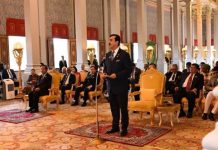
ISLAMABAD: The Black Hole (TBH), a non-profit organization, has hosted a thought-provoking session titled “Pakistan’s Blue Frontier: An Introduction to Maritime Affairs & the Blue Economy,” aimed at highlighting the importance of the blue economy and maritime affairs for Pakistan’s future.
Speakers at the session introduced the concept of the blue economy — defined as the sustainable use of ocean resources for economic growth, improved livelihoods and environmental stewardship — and examined Pakistan’s prospects in key sectors, including ports and shipping, fisheries, coastal development, marine energy resources, and maritime security. Participants highlighted the pivotal role of major ports such as Gwadar Port and Port of Karachi in facilitating regional trade and connectivity.
The session stressed the need for the responsible management of coastal and marine resources.
Addressing the gathering, Dr. Hasan Yaser Malik, who holds a doctorate in International Relations, elaborated on the strategic significance of maritime development. His doctoral research, titled “Strategic Significance of Gwadar Deep Sea Port: Regional and Extra-Regional Dimensions,” examines the geopolitical importance of Gwadar in regional and global contexts.
Dr. Malik has authored six books focusing on maritime geopolitics, the blue economy, social development, and climate change. With over a dozen international research contributions, more than 57,000 readers worldwide, and 242 citations to his credit, he is widely recognised for his scholarship in the fields of China studies, maritime affairs, blue diplomacy, and economic development. He is affiliated with various research and academic institutions and serves on the editorial boards of more than a dozen international research journals. He has also served with the United Nations in Africa and has authored and edited three annual corporate publications.
Speakers emphasised that Pakistan’s future prosperity may depend significantly on how effectively it engages with its “blue frontier” by adopting sustainable maritime policies, strengthening port infrastructure, and ensuring environmental protection.
The session was open to the public and attracted participants from academic, policy, and student communities interested in maritime and strategic affairs.