
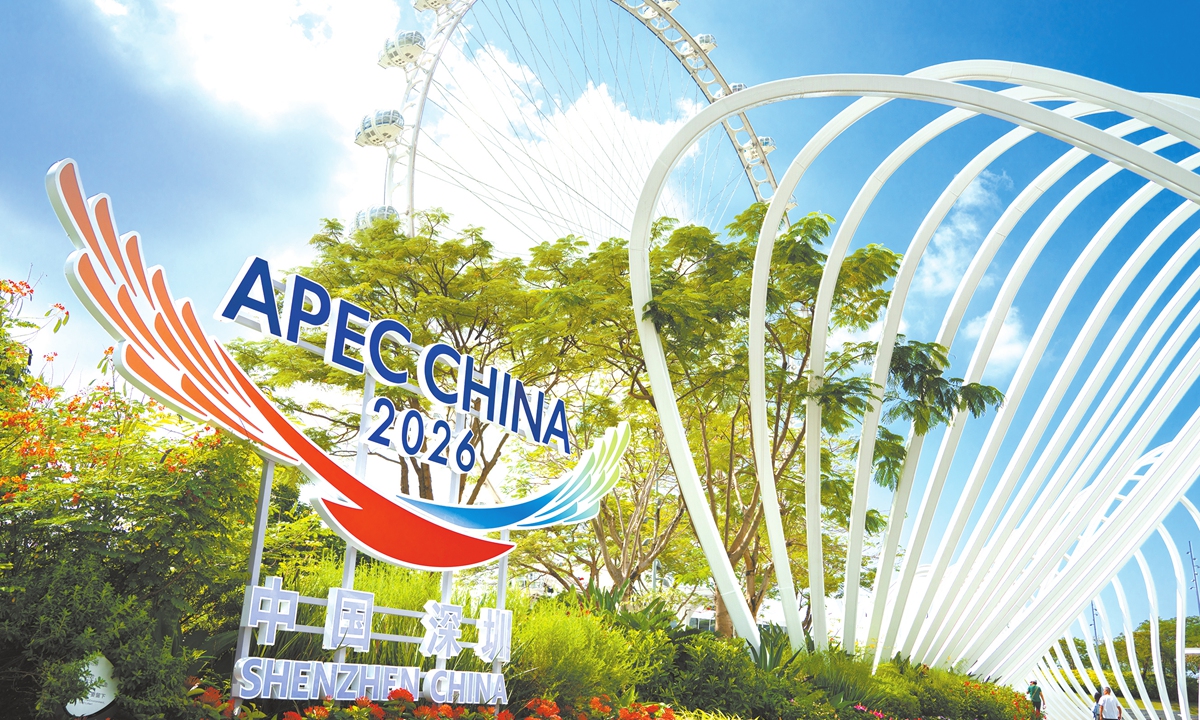
BEIJING: The meeting of the Chinese, Russian and US heads of state in South China’s Shenzhen will be the first face-to-face meeting in history involving the top leaders of the three countries, Chinese Foreign Ministry spokesperson Mao Ning said on Monday.
Chinese President Xi Jinping will hold a China-Russia-US summit with Russian President Vladimir Putin and US President Donald Trump in Shenzhen on November 19, according to the ministry.
Mao said the heads of state will have an in-depth exchange of views on maintaining world peace and promoting strategic stability in major-country relations, which is of groundbreaking significance. Chinese observers told the Global Times that such a trilateral summit will be a pioneering feat in the history of international relations, and it is conducive to safeguarding the fruits of World War II and maintaining global strategic stability.
Javed Akhtar, senior editor of Independent News Pakistan, also noted that such a China-hosted trilateral summit demonstrates China’s international influence. The summit matters not only to strategic stability among the three sides, but also to global peace.
Amid frequent regional turmoil, international solidarity, coordination and regular dialogue are facing headwinds. The meeting will bolster peace advocates worldwide and open a new chapter for global stability and deeper dialogue and cooperation. China is steadily assuming major-country responsibilities and lending vital support to world peace and stability, he said.
Russia confirmed participation in the summit on Saturday, and Kremlin spokesperson Dmitry Peskov said such a trilateral summit is “extremely significant” and dismissed the Yalta comparisons, noting that any potential agreements reached in Shenzhen can’t be enforced on others, CBS News reported.
Washington confirmed Trump’s attendance on Friday, and CNBC reported Sunday that the White House signaled the US intention to prioritize talks over nuclear non-proliferation and the Middle East war at the summit.
Yang Xiyu, a senior research fellow at the China Institute of International Studies, told the Global Times that the trilateral framework formed by China, Russia and the US could exert enormous influence on global politics and the economy. Such influence extends to peace and stability and strategic risk management in the political and security sphere, as well as practical areas including energy security, artificial intelligence, economic supply chains and sustainable development.
Strengthened strategic dialogue at the highest level among the three heads of state is expected to guide and boost dialogue and cooperation between the three countries at all levels and in all sectors, Yang believes.
Zhang Jiadong, a professor at the Center for American Studies of Fudan University, dismissed the erroneous narrative by some media outlets claiming the summit would “carve out new spheres of influence.”
China, Russia and the US are at very different development stages and faced with very different challenges and problems; therefore, the agenda and purpose are completely different. A historical comparison is fundamentally flawed, Zhang added.
Yang also pushed back against media reports likening the China-Russia-US summit to a “modern-day Yalta Conference,” stressing that a defining feature of the Yalta system was that major powers not only determined their relations with one another, but also made arrangements concerning the fate of smaller countries and the international order affecting other nations’ interests.
The upcoming trilateral summit, by contrast, is neither intended to determine the fate of other countries nor to carve up spheres of influence, Yang noted. Instead, it aims to explore ways to stabilize and improve bilateral ties among the three countries and their overall trilateral relationship based on shared interests, while enhancing strategic stability among major powers to create favorable conditions for addressing pressing global issues.
The summit therefore is significant as the three sides seek to stabilize major-country relations, not escalate major-power conflicts, with an eye on strengthening the management of differences and conflict risks through dialogue, rather than further raising such risks, Yang said, adding that if the summit can encourage the three sides to step up dialogue, explore cooperation and uphold global strategic stability, it will serve as an important counterweight to destabilizing factors amid the transition of the international order. –The Daily Mail-Global Times news exchange item