
Staff Report
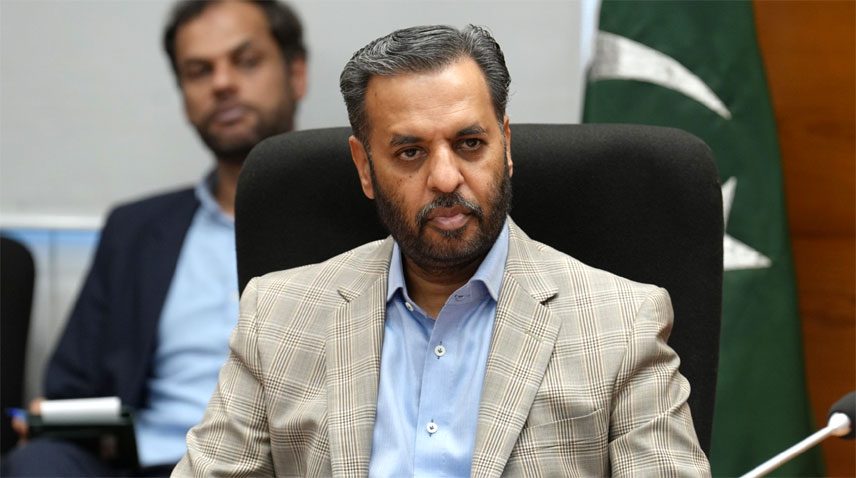
ISLAMABAD: Federal Minister for National Health Services Syed Mustafa Kamal on Wednesday stressed the need for collective efforts to tackle Pakistan’s growing population challenge.
Addressing a seminar held to mark World Population Day, the minister said around 26 million children in Pakistan were out of school, while 43 percent of the country’s population comprised children.
He said the rapidly increasing population was placing an enormous burden on hospitals, educational institutions and public infrastructure, affecting the delivery of quality services.
He urged religious scholars, teachers and all segments of society to help create awareness about responsible family planning.
The minister said nearly 11,000 women die every year in Pakistan due to pregnancy or childbirth-related complications, adding that although pregnancy was not a disease, timely medical care and proper maternal health services could significantly reduce maternal deaths.
He said more than 400,000 children under the age of five die annually from preventable causes, emphasizing that improving access to healthcare, medicines and timely treatment was essential to saving lives.
Mustafa Kamal said birth spacing, maternal and child health and family planning were not only health issues but were also directly linked to national security, economic stability and sustainable development.
He warned that failure to address the challenge could adversely affect Pakistan’s development and cited examples of Iran and Bangladesh where effective policies had helped manage population growth. The minister clarified that the population issue was a national economic challenge rather than an issue targeting any particular group or ideology.
He suggested that incentives should be considered for families adopting healthy birth spacing practices.
He noted that contraceptives had previously been subject to an 18 percent tax, making them expensive and less accessible. According to the minister, around 30 percent of families wished to space births but were unable to do so due to financial or logistical constraints.
He said removing taxes on contraceptives could help prevent nearly 1.5 million unintended pregnancies every year.
Announcing a major policy decision, Mustafa Kamal said the government had reduced the tax on contraceptives to zero. He said the move would make the products more affordable, improve public access, encourage local manufacturing and attract fresh investment while strengthening maternal and child health and family planning efforts. The minister expressed hope that all national institutions would continue working together for a healthier and more prosperous Pakistan.