By Makhdoom Babar
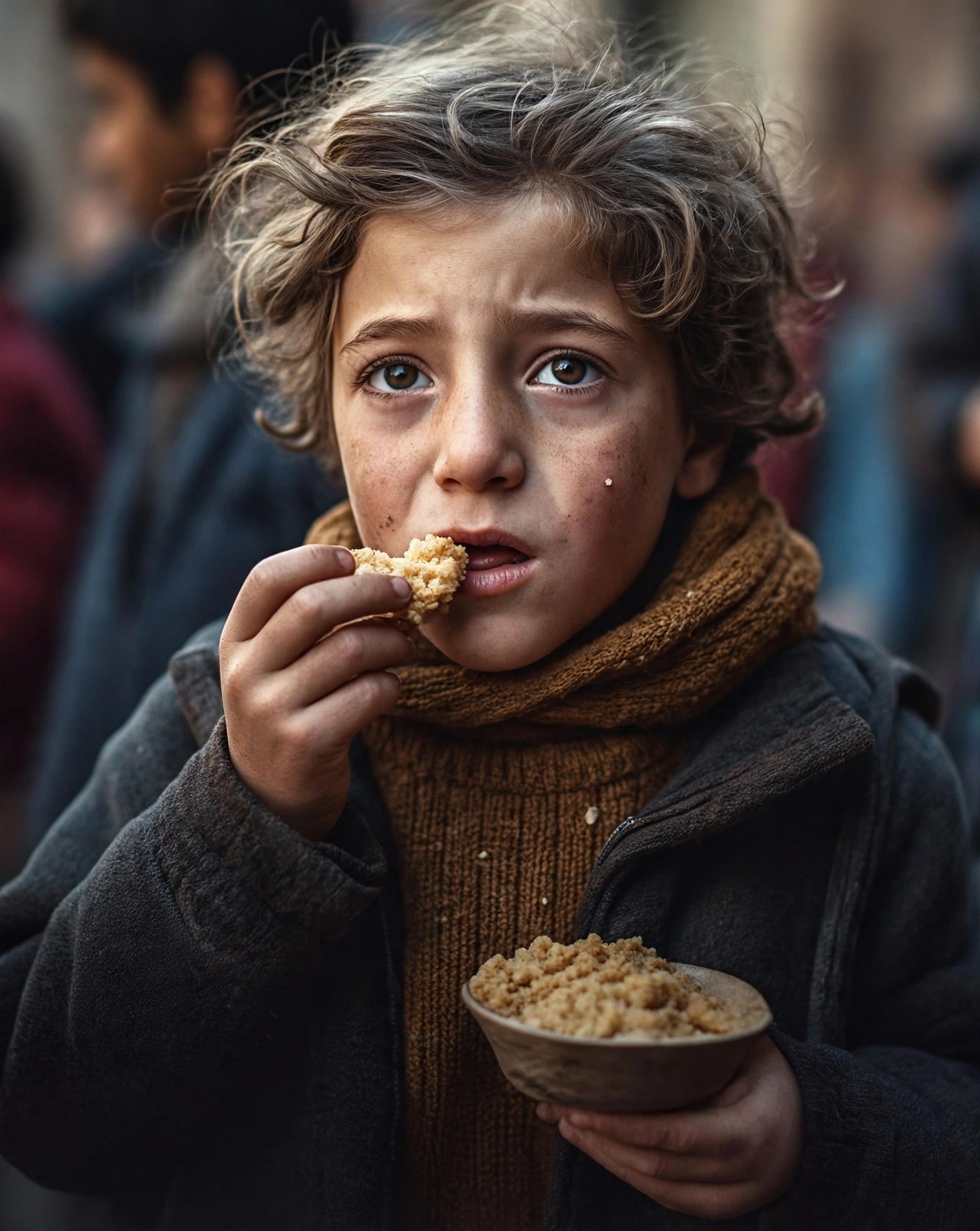
Today, Millions of people in South Asia are being pushed into extreme poverty due to multiple factors, including uncontrolled population, unemployment, growing Inflation, Environmental and Climate Changes, Global Warming, Energy crises and Wars etc. International bodies, global financial watchdogs and world lenders like IMF and World Bank have already issued multiple warning of this menace of growing poverty, particularly in South Asia. A latest World Bank report has also placed Pakistan on the list of South Asian countries with alarming poverty increase saying that nearly 44.7 percent of the country’s total population had got pushed below Poverty Line and stated that Pakistan needed to start a comprehensive poverty reduction plan on war footings. Though Pakistan government has challenged the World Bank’s latest poverty figures, arguing that moving the country from South Asia to the MENAAP region affects regional comparisons and makes Pakistan’s share appear larger and stating that poverty should be compared using the same threshold and reference year at the country level, rather than relying mainly on regional totals, yet Pakistan government is already hectically engaged in poverty reduction efforts with different ways and means. World Bank, in its latest Pakistan Development Update, titled “Attaining Escape Velocity”, has projected country’s economic growth at 3.8 percent for fiscal year 2027. WB has projected growth to reach only 4.5 percent by fiscal year 2031 under the baseline scenario, while saying that structural reforms could lift it above 6 percent.
Pakistan government’s efforts have already started paying off gradually as Revenue growth and expenditure restraint supported record primary fiscal surpluses, which reached 2.9pc of GDP in FY26, while strong remittances enabled the country to rebuild its foreign exchange reserves. These improvements have already been recognized through upgrades by two major international rating agencies, S&P and Moody’s, and enabled Pakistan to return to international debt markets with the issuance of a $3 billion Eurobond. With many of the proposed measures build on reforms already underway. These include timely adjustments to power-sector tariffs, which helped reduce energy subsidies from 1.1pc of GDP in FY25 to 0.8pc in FY26, continued trade liberalization under the National Tariff Policy and the recent privatization of Pakistan International Airlines (PIA), global experts saying that though Pakistan has remarkable job in achieving macro stabilization, yet building on these measures, sustained progress will depend on further reforms to improve the business environment, overhaul the tax system, reduce the state’s presence in the economy and expand access to finance.
While all this was happening, the government of People’s Republic of China was not successfully reducing its domestic poverty levels, pulling • lifted nearly 100 million rural residents (98.99 million people across 832 counties and 128,000 villages) out of absolute poverty by the end of 2020 despite dealing with the challenge of COVID-19 Pandemic. China declared absolute poverty eradicated based on its national standard (an annual rural per capita income threshold of 2,300 Yuan (RMBs), adjusted for inflation over time), meeting the United Nations’ 2030 Sustainable Development Goal for poverty reduction ten years ahead of schedule but was also hectically engaged in helping many neighboring governments in South Asia in particular to reduce the poverty levels through different models and via economic development.
While the Belt and Road Initiative(BRI) was extending a great support for economic and infrastructural development, the BRI’s components like the China –Pakistan Economic Corridor (CPEC) and Bangladesh–China–India–Myanmar Economic Corridor (BCIM) and projects like the China-Maldives Friendship Bridge, the uplift of Sea Port of Colombo and Hambantota in Sri Lanka and the Amrit Plan, Vibrant Villages project, Bright Future project etc in Nepal along with increasing the China’s Trade Volume with South Asian countries to over $200 Billion are crystal clear examples of China immense sincere efforts of regional poverty reduction and development cooperation.
With regard to such efforts in Pakistan while China has been extending support to Pakistan Energy needs for decade by creating various energy projects like the CPEC and the Gwadar Port projects have played a significant role in improving the lives of individuals as well as country’s national economy. While creating job opportunities has been a great challenge for Pakistan to counter poverty and joblessness, CPEC alone has come as a great savior. The CPEC has created over 236,000 total jobs, according to officially verified figures from the Chinese National Development and Reform Commission and government briefings with officials estimating that CPEC could generate up to 2 million to 2.3 million direct and indirect jobs by 2030 as the project moves into its second phase focusing on industrialization and Special Economic Zones.
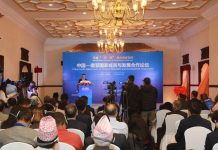
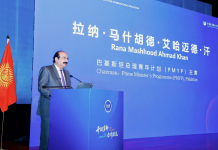
Today, a high level delegation from China’s International Communication Group (CICG) is in Pakistan to hold 2026 China-South Asia Forum on Poverty Reduction and Development Cooperation at Islamabad to discuss new and latest ways and means to Help Pakistan and other South Asian countries to combat the menace of poverty and adopt experienced measure of development with China’s success story for the same, it is believed that Pakistan and other South Asian States will get a lot to follow to gain success for the people and national economies through this platform and that event will go far beyond discussions.
–The Author is President and Editor in Chief of The Daily Mail, International and Chairman of Pakistan Institute of China Studies {PICS}