By Hina Kiyani
ISLAMABAD: Regional health experts, programme managers and policymakers have called for stronger cooperation and integrated approaches to improve the detection and treatment of tuberculosis (TB) and HIV/AIDS across South Asia.
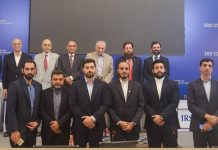
The call was made during a three-day SAARC Regional Workshop on Scaling up Activities for Improving Case Finding for TB and HIV/AIDS.
The workshop was jointly organized by STAC Nepal and the Common Management Unit (CMU) Pakistan to promote regional collaboration and identify effective strategies for addressing the two major public health challenges.
Participants discussed ways to improve the identification of TB and HIV/AIDS cases, strengthen integrated services and enhance coordination among national programmes and regional stakeholders.
The discussions also focused on sharing knowledge, exchanging best practices and promoting innovative, evidence-based approaches to improve disease detection and ensure timely access to diagnosis and treatment.
The workshop highlighted the importance of integrated TB and HIV services, particularly for people who may face barriers to accessing healthcare or require coordinated diagnosis, treatment and follow-up.
Participants also explored opportunities to strengthen regional coordination and cooperation, recognizing that cross-border collaboration and the exchange of technical expertise could contribute to more effective disease control efforts.
The activity provided a platform for regional stakeholders to discuss common challenges, share experiences and identify opportunities for coordinated action to reduce the burden of TB and HIV/AIDS across South Asia.
The workshop concluded with an emphasis on sustained regional engagement, improved case-finding strategies and evidence-based interventions to strengthen public health responses to both diseases.